|
Notes From The Dead Of Winter ͏ ͏ ͏ ͏ ͏ ͏ ͏ ͏ ͏ ͏ ͏ ͏ ͏ ͏ ͏ ͏ ͏ ͏ ͏ ͏ ͏ ͏ ͏ ͏ ͏ ͏ ͏ ͏ ͏ ͏ ͏ ͏ ͏ ͏ ͏ ͏ ͏ ͏ ͏ ͏ ͏ ͏ ͏ ͏ ͏ ͏ ͏ ͏ ͏ ͏ ͏ ͏ ͏ ͏ ͏ ͏ ͏ ͏ ͏ ͏ ͏ ͏ ͏ ͏ ͏ ͏ ͏ ͏ ͏ ͏ ͏ ͏ ͏ ͏ ͏ ͏ ͏ ͏ ͏ ͏ ͏ ͏ ͏ ͏ ͏ ͏ ͏ ͏ ͏ ͏ ͏ ͏ ͏ ͏ ͏ ͏ ͏ ͏ ͏ ͏ ͏ ͏ ͏ ͏ ͏ ͏ ͏ ͏ ͏ ͏ ͏ ͏ ͏ ͏ ͏ ͏ ͏ ͏ ͏ ͏ ͏ ͏ ͏ ͏ ͏ ͏ ͏ ͏ ͏ ͏ ͏ ͏ ͏ ͏ ͏ ͏ ͏ ͏ ͏ ͏ ͏ ͏ ͏ ͏ ͏ ͏ ͏ ͏ ͏ ͏ ͏ ͏ ͏ ͏ ͏ ͏ ͏ ͏ ͏ ͏ ͏ ͏ ͏ ͏ ͏ ͏ ͏ ͏ ͏ ͏ ͏ ͏ ͏ ͏ ͏ ͏ ͏ ͏ ͏ ͏ ͏ ͏ ͏ ͏ ͏ ͏ ͏ ͏ ͏ ͏ ͏ ͏ ͏ ͏ ͏ ͏ ͏ ͏ ͏ ͏ ͏ ͏ ͏ ͏ ͏ ͏ ͏ ͏ ͏ ͏ ͏ ͏ ͏ ͏ ͏ ͏ ͏ ͏ ͏ ͏ ͏ ͏ ͏ ͏ ͏ ͏ ͏ ͏ ͏ ͏ ͏ ͏ ͏ ͏ ͏ ͏ ͏ ͏ ͏ ͏ ͏ ͏ ͏ ͏ ͏ ͏ ͏ ͏ ͏ ͏ ͏ ͏ ͏ ͏ ͏
Notes From The Dead Of Winter
|
|
|
|
|
Sun dog in the morning | 1.20.26 |
|
|
|
|
Hello Subscriber First Name, Winter has truly settled in here at the farm. The temperatures are rarely getting above the mid-teens. The flower beds are resting under a blanket of deep snow, the air feels like it wants to kill you, and most days are pretty quiet (except for some Yaht Rock playing on the bluetooth speaker, the dogs barking at something around the yard, or the snowmobiles zooming by.) From the outside, it might look like nothing is happening, but winter is one of our most important seasons. While the land rests, we’re busy behind the scenes.
|
What’s happening right now
This is the time of year when seed packets, the big calendar, and the farm plot map come out and planning is well underway. We look closely at germination times, last frost dates, and how long each flower needs before it’s ready for the field or the greenhouse, making sure everything is started at just the right time. Planning succession plantings and crop rotation plays a big role too, ensuring we have a steady harvest throughout the growing season and healthier soil year after year. We also ask ourselves the very practical question of how much space we actually have on benches, on the floor, on shelves, under lights, and eventually in the ground. It’s a bit like playing Jenga, putting together a giant jigsaw puzzle, and playing chess at the same time, where timing, space, and patience all have to line up. Our brains are often fried!
Lisianthus and Eucalyptus are both sprouting under lights next to some red and yellow onion seeds we started at the same time. This is our first time growing the finicky Lisianthus. Apparently, Lisianthus is notoriously difficult to start from seed. Humidity, air temperature, soil moisture, and light all have to be perfect, so it goes without saying that we are super nervous and anxious as the tiny sprouts hang on. We don’t even want to look at them wrong. Good thing we’re lifelong Buffalo Bills fans. If we can handle their heart wrenching seasons, we can certainly endure the 5 to 6 months until we get Lisianthus blooms, right?!
|
|
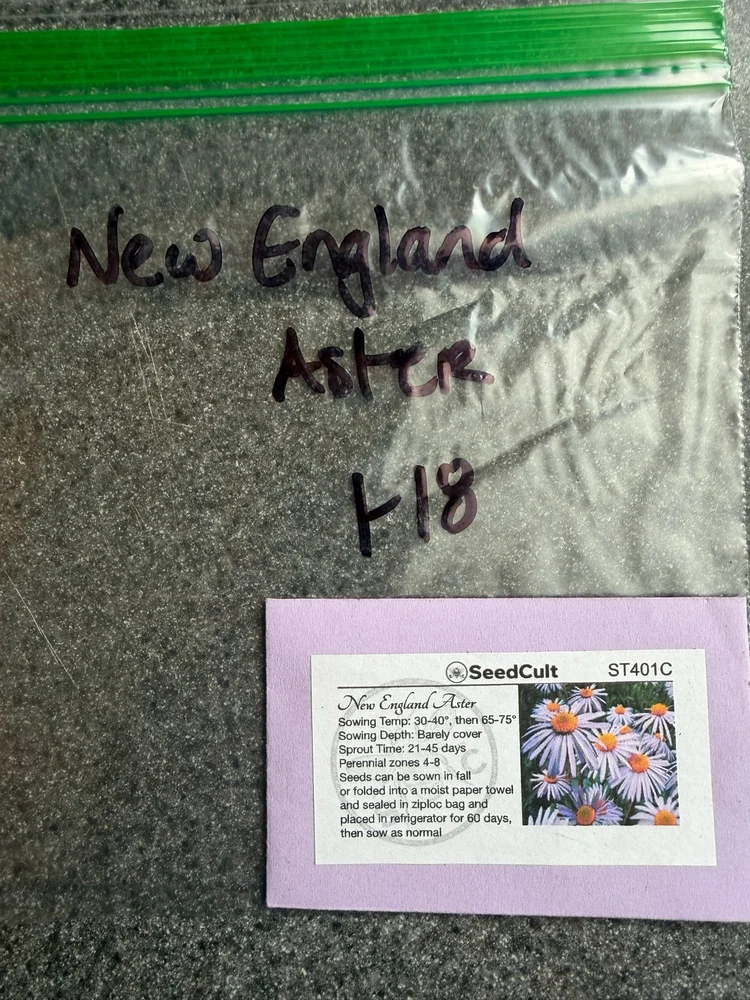
Some of the flowers we grow actually need a period of cold in order to germinate later on. This process, called cold stratification, mimics what happens naturally when seeds fall to the ground in autumn and wait through winter before sprouting in spring. For example, the New England Aster seeds pictured below, along with Obedient Plant, will spend 6 weeks in the fridge, sealed inside a baggy with a damp paper towel. This helps them germinate more reliably once they’re planted in warm soil. It’s slow, patient work and a good reminder that flowers run on nature’s schedule, not ours.
|
|
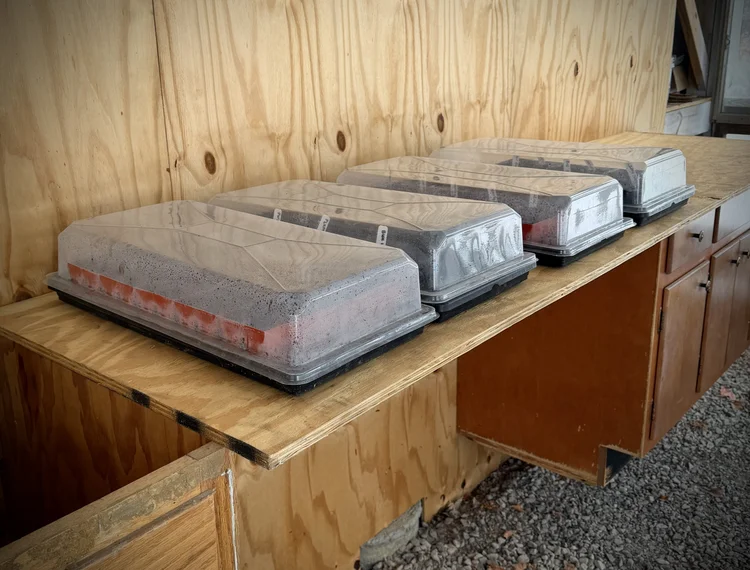
Other seeds we sow get their cold treatment the old-fashioned way- by winter sowing right in our unheated greenhouse. Hardy flowers like Sneezeweed, Masterwort, Baptisia, and Lilac are planted in flats and allowed to experience the natural rhythm of freezing nights, sunny days, and thaw, just as they would outdoors. This gentle exposure provides the cold stratification they need while keeping them protected, and when spring warmth FINALLY arrives, the seeds know it’s time to wake up and grow. We just need to make sure they don’t get bothered by the resident chipmunks and mice! |
|
|
|
|
Winter Stewardship
The flower beds may look quiet, but they are far from idle. Winter is a great time to replenish the soil by letting it rest and allowing cover crops, like Winter Rye and Hairy Vetch, to do their work. We spread those seeds in late summer so the crops are well established by our first frost, usually in October. Planting cover crops is a great way to prevent erosion, hinder compaction, boost organic matter, and suppress early weeds come Spring.
|
|

|
We also cover some beds with shredded autumn leaves or wood chips to act as a protective mulch, or just leave spent plants where they lay. Birds love dried flower heads and seed laden stalks for the vital, high fat nutrients they provide through the colder months. Beneficial insects and pollinators overwinter safely in the debris and undisturbed spaces. It’s comforting to know all the critters will be there when the Spring thaw comes. Microbes and fungi continue breaking down organic matter, storing nutrients for release when we transplant our seedlings to the field. So while we stare out at seemingly sleepy beds, beneath the surface everything’s busy in one way or another: soil is rebuilding, cover crops are protecting, and microbes are quietly storing nutrients and preparing the soil for spring’s big debut. The only ones being lazy are the beneficial insects tucked in for a cozy winter nap and that’s okay, they deserve it! |
|
|
|
|
Life Around The Farm
Even in winter, there’s still plenty of life happening around here. Lots of wildlife like deer, rabbits, mice, and chipmunks are stirring up trouble. This is the first year deer have decided to brazenly eat our Arborvitae. Rabbits nibbled on our Echinacea early on. The chipmunks and mice decimated some veggie plants we had overwintering in the greenhouse. Next year, everything will be locked down like Fort Knox!
We live on one of the many interconnected snowmobile trails in the area, and we love seeing lot’s of folks out cruising around. It isn’t unusual to see two, four, or fifteen snowmobiles pass by, morning, afternoon, and in the dead of night. We truly admire their fortitude, especially when the weather can get downright brutal! Country living isn’t easy, but it sure can be fun! |
|

|
|
|
Looking Ahead
As we plan for the months to come, we’re dreaming in color. There is a lot to do:
Lily bulbs come mid-February, so our first priority is getting set up to grow Lilies inside, under lights. Next is a desperately needed walk-in cooler. The materials are ready for that build in the garage. We were gifted a pop-up camper last summer (thanks Nick and Sara!) and we want to turn it into a traveling flower stand called The Petal Pop-up!
Stay tuned and we’ll keep sharing these small glimpses of farm life as the season slowly shifts. Thank you for being here with us, caring about where your flowers come from, and following along during this quieter, cozier time of year. Stay warm, and keep dreaming of spring. With gratitude,
Chris & Melissa
Hopson Hill Flower Farm
|
|
|
|